
K-Culture’s Unscripted Triumphs: How Korean Pop Culture Became Iconic by Accident
Last updated: June 22, 2026 · Reviewed by Kloverwave Editorial
[fact_checked date=”2026-06-22″ reviewer=”Kloverwave Editorial Team”]
Imagine a world where the biggest cultural phenomena weren’t meticulously planned but bloomed from pure serendipity. That’s the untold story of K-culture. From a dance craze that shattered YouTube records to a skincare revolution sparked by screen glow, and even a cinematic masterpiece that redefined global viewing habits—these aren’t tales of boardroom brilliance. They are stories of unforeseen twists, happy Korean pop culture accidents, and the magnetic power of Korean creativity simply being itself. The most defining K-culture viral moments in history weren’t engineered; they snowballed into global sensations, offering a fascinating glimpse into unexpected Kpop moments and more.
Wait, none of this was supposed to happen?
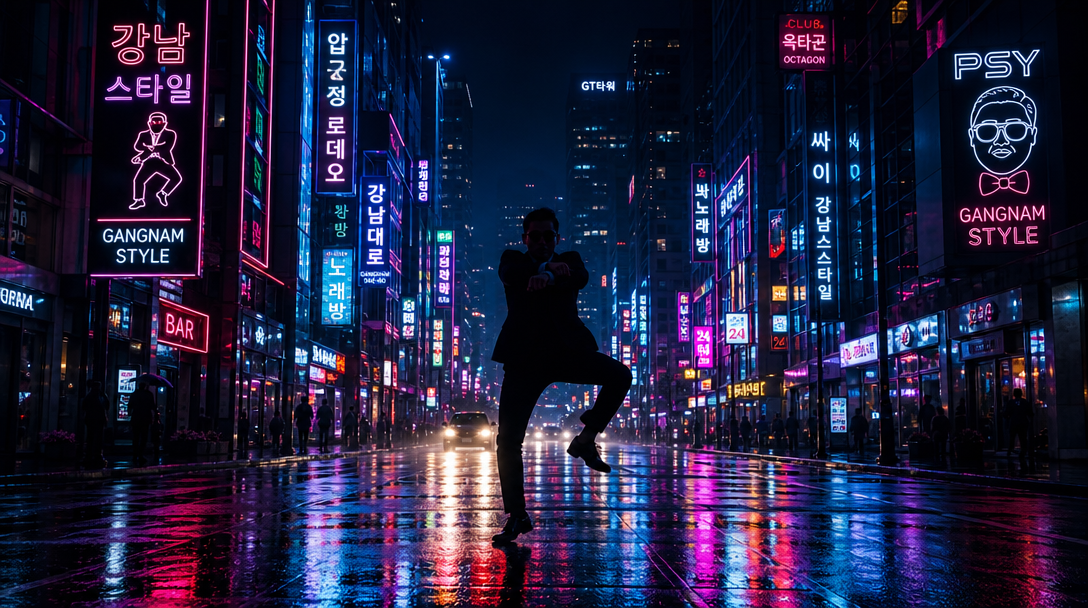
Picture Seoul in July 2012. Psy, a seasoned artist known for his irreverent humor, unleashes ‘Gangnam Style.’ This wasn’t a calculated global launch; it was a razor-sharp domestic satire, a playful jab at the flamboyant, aspirational wealth culture of Seoul’s most affluent district. Koreans instantly ‘got’ the humor – the invisible horse-riding dance, the knowing wink at a specific social scene. But YouTube’s nascent algorithm, a then-unpredictable force, had other plans. Within a breathtaking five months, this localized critique exploded, becoming the first video in YouTube history to gallop past one billion views. Psy himself, genuinely surprised, confessed in interviews that he hadn’t even considered an international audience. It was a local joke that became a global anthem, a prime example of how K-pop became iconic through sheer, unexpected resonance.
Then came ‘Squid Game,’ a concept so singular, so viscerally potent, it spent years gathering dust on the shelves of Korean broadcasters. They deemed it too niche, perhaps too dark. Yet, Netflix, taking a quiet chance, greenlit the series with little expectation of a global seismic shift. What unfolded was pure digital wildfire. ‘Squid Game’ didn’t just cross borders; it obliterated them, becoming Netflix’s most-watched original series ever by 2021, according to their own astonished data. There was no elaborate worldwide rollout strategy, no manufactured buzz. Just a profoundly, unapologetically Korean narrative, steeped in universal themes of desperation and survival, that resonated with an intensity no one could have predicted.
These aren’t isolated incidents. The ripple effects are staggering. The Korea Creative Content Agency’s 2022 Hallyu White Paper now estimates the Korean Wave’s indirect export effects at a colossal $25.7 billion. To put that in perspective, a decade prior, such a figure would have been dismissed as pure fantasy. The internet’s algorithms, in essence, didn’t conjure this immense Korean cultural power out of thin air. Instead, they acted as a magnifying glass, finally revealing to the world the rich, dynamic creativity that had been simmering in Korea all along, perfectly timed for discovery by a globally connected Gen Z.
The Skincare Glow-Up That Started with Drama Props 🧴
Beyond the music and dramas, another unexpected phenomenon was brewing: K-Beauty. This global skincare powerhouse — with its iconic multi-step routines, fervent skin barrier obsession, and ingredient spotlights on everything from snail mucin to niacinamide — didn’t achieve worldwide domination through aggressive ad campaigns or massive marketing budgets. No, its true launchpad was a 2009 romantic drama: Boys Over Flowers.
Hold on a moment, though. Viewers in 2009 weren’t exactly tuning into a K-drama for a beauty masterclass. They were captivated by the Cinderella story, the lavish sets, and the captivating cast. Yet, it was the luminous, almost translucent ‘glass skin’ of the actors that truly sparked an international obsession. Across burgeoning online forums and social media, viewers spiraled down a rabbit hole, desperately seeking answers: ‘What exactly are they using?’ Brands like Innisfree, Missha, and COSRX suddenly found their way into shopping carts worldwide, propelled not by polished marketing campaigns, but by the passionate curiosity of dedicated fans. These same fans, drawn in by the allure of their favorite stars, eagerly embraced the intricate, multi-step Korean skincare routine, meticulously mapping out every layer from the purifying double cleanse to the indulgent sleeping mask. They didn’t just want a product; they wanted that glow.
Plot twist: the most effective beauty campaign of the 2010s wasn’t a strategically planned advertisement; it was the accidental, aspirational power of K-drama. Boys Over Flowers inadvertently became a global billboard for an entire industry.
[kw_author_box name=”Kloverwave Editorial Team” title=”K-Culture Media Analysts” bio=”Kloverwave covers the Korean Wave (Hallyu) for global fans — delivering in-depth analysis on K-pop, K-drama, K-food, K-beauty, and Korean lifestyle trends. Our editorial team fact-checks all statistics and sources before publication.” site=”kloverwave.com” updated=”2026-06-22″]
Related Posts
- K-Content in 2026: Why Korean Culture Is No Longer a Trend — It’s the Default
- BOOMPALA: The Korean Kids’ Song Going Viral Worldwide
- Korean Fashion: How Seoul Became the World’s Style Capital