
BABYMONSTER ‘SUGAR HONEY ICE TEA’ M/V: Why This Comeback Hits Differently Than Your Average K-Pop Release
Introduction
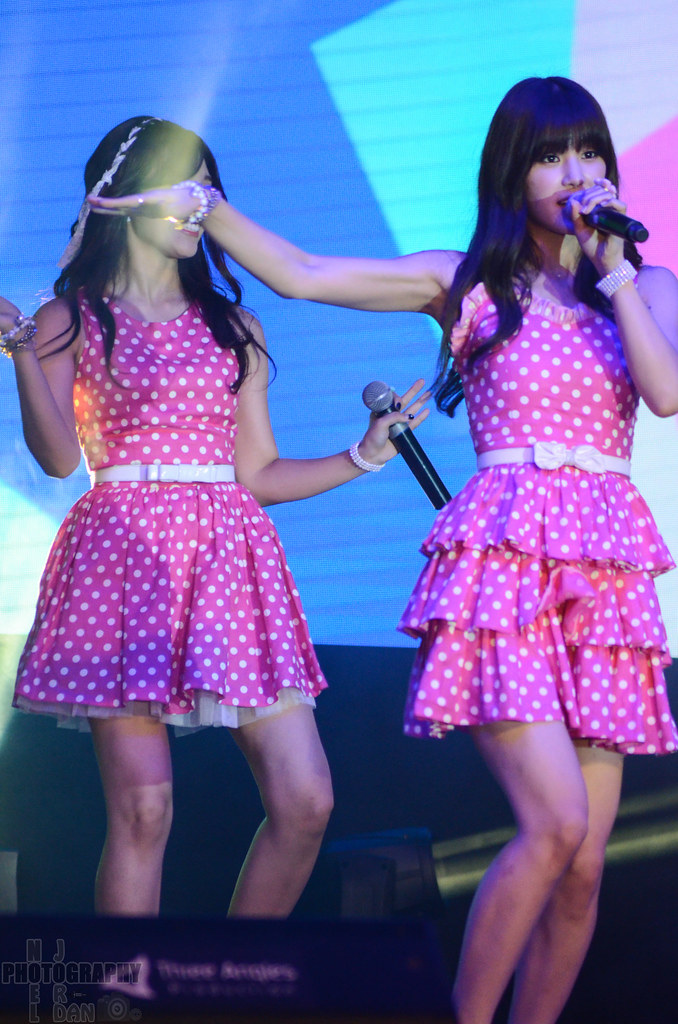
The moment the ‘SUGAR HONEY ICE TEA’ music video dropped, comment sections across YouTube, TikTok, and X moved in real time — not just with fan reactions, but with the kind of comparative analysis usually reserved for year-end critics’ lists. BABYMONSTER, YG Entertainment’s seven-member global group, didn’t release a soft return. They released a statement. The M/V arrives at a moment when second-generation K-pop nostalgia is colliding hard with fourth-gen ambition, and the result is a video that rewards multiple watches rather than one casual scroll-through. ‘SUGAR HONEY ICE TEA’ refers to the group’s title track and accompanying music video released as part of their continuing push into the upper tier of the fourth-generation K-pop ecosystem — a space increasingly defined by visual storytelling, multinational lineups, and production values that compete directly with Western pop on a global stage.
The Visual Language: Style Choices That Actually Mean Something
K-pop music videos have always been dense with intention, but ‘SUGAR HONEY ICE TEA’ operates on a different register than typical idol releases. The color grading alone — high-contrast, almost fashion-editorial — feels closer to a Louis Vuitton runway short than a standard idol promotional clip. YG Entertainment has historically leaned into this aesthetic territory with BLACKPINK, but BABYMONSTER’s video pushes the styling toward something rawer, less polished in a deliberate way. The choreography sequences are shot with enough negative space that individual performance moments breathe rather than collapse into a wall of synchronized movement.
What the M/V communicates most clearly is that BABYMONSTER is positioning themselves as a performance-first group, not a concept-first group. That’s a meaningful distinction in 2024, when a segment of K-pop fandoms are vocally fatigued by groups that prioritize elaborate fictional lore over demonstrated artistry. The six members visible throughout the video each get a moment that functions as an individual audition within the group frame — a structural choice that speaks to the trainee culture embedded in YG’s development model, where every stage performance is still implicitly a showcase. [LINK: related post about YG Entertainment’s artist development philosophy]
According to a 2024 Pew Research Center report, South Korea’s cultural influence is viewed favorably in over 25 of 34 surveyed nations, ranking higher than most G7 countries in soft power perception among respondents aged 18 to 34. (Source: Pew Research Center 2024) That finding lands differently when you watch a video like this — one clearly engineered not just for Korean domestic approval, but for simultaneous global legibility.
The Sound: Where ‘SUGAR HONEY ICE TEA’ Sits in the K-Pop Spectrum
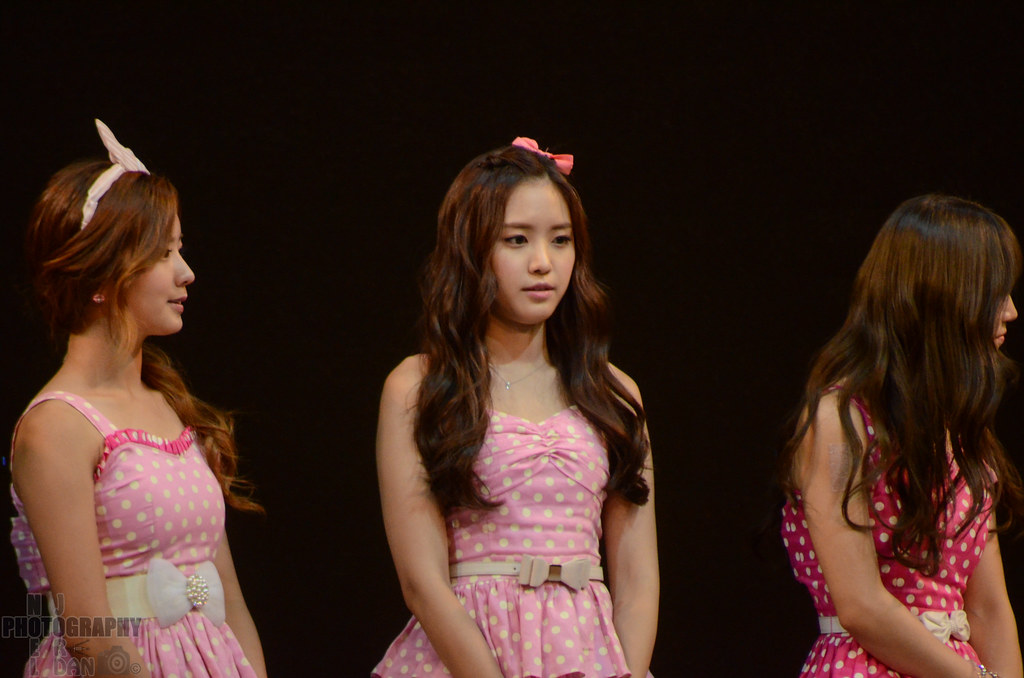
The production on this track is interesting precisely because it doesn’t fully commit to any single sonic trend. There are traces of the hard-hitting, brass-adjacent hip-hop that defined early 2010s YG releases, but layered over a contemporary electronic structure that keeps it from sounding like a throwback. The result sits somewhere between BLACKPINK’s harder-edged singles and the more melodically adventurous output coming from groups like aespa or ITZY — which is, almost certainly, exactly where YG’s A&R team wants it.
The rap and vocal split across the members reflects how seriously the group takes both disciplines as separate crafts rather than interchangeable elements. In an era when many fourth-gen groups have drifted toward predominantly vocal-forward production, BABYMONSTER’s decision to maintain genuine rap presence keeps them distinct. For a Western reference point: this is roughly analogous to the way Megan Thee Stallion’s insistence on lyrical substance separates her from contemporaries who treat rap as a rhythmic texture rather than a skill. That kind of deliberate positioning matters long-term. [LINK: related post about fourth-generation K-pop sound evolution]
For deeper coverage of K-culture stories, kloverwave.com tracks the latest Hallyu trends with the kind of analytical depth that goes beyond chart positions and streaming numbers.
Global Context: BABYMONSTER and the Business of Hallyu in 2024
Releasing an M/V is no longer just a promotional tool — it’s an economic infrastructure event for groups at this level. According to the Korea Creative Content Agency (KOCCA), the total economic value of the Korean Wave reached an estimated $25.7 billion in indirect export effects in 2022 alone, when factoring in tourism, consumer goods, and media licensing. (Source: KOCCA Hallyu White Paper 2022) A single high-profile music video contributes to that figure through merchandise demand, streaming royalties, and the downstream effect of international press coverage that drives brand partnership conversations.
BABYMONSTER’s multinational lineup — members from Thailand, Japan, South Korea, and Australia — is itself a Hallyu business strategy made visible. YG has long understood that a group’s geographic diversity maps directly onto its international market reach, functioning almost like a distribution network embedded in the artist roster itself. The Australian member Rora’s presence, for instance, creates organic media entry points in English-speaking markets that purely Korean-born groups have historically had to manufacture through translation and localization. Comparing this approach to how American pop labels have historically signed acts from the UK to crack European markets illustrates how deliberately YG is operating — except the scale and the cultural cachet that Hallyu carries are now working in reverse, flowing outward from Seoul rather than toward it.
Why This M/V Matters Beyond the Fandom
Here’s the uncomfortable truth that casual observers miss: at this stage of K-pop’s global maturity, a music video from a major YG group isn’t primarily competing with other K-pop releases. It’s competing with Sabrina Carpenter’s latest visual, with Charli xcx’s aesthetic provocation, with whatever FKA twigs drops next. The audience is the same. The attention economy is the same. And ‘SUGAR HONEY ICE TEA’ holds its own in that wider frame — not because of novelty, but because of craft density.
The video’s pacing, the costume design choices, the decision to use practical set elements rather than relying entirely on CGI environments — these signal a production team that studied what makes a music video rewatchable rather than just shareable. Shareable content spikes and disappears. Rewatchable content builds the kind of sustained engagement that converts casual viewers into invested fans. That’s a subtle but significant difference, and it’s one that YG’s most successful acts have historically understood better than their competitors.
💡 Did you know? In Korean idol culture, the concept of nunchi — the subtle ability to read a room, anticipate group dynamics, and calibrate your energy accordingly — is as valued in idol training as raw vocal ability. Watching BABYMONSTER’s choreography through this lens reveals something interesting: each member seems calibrated to occupy a specific energetic role within the group’s collective presence, a balance that doesn’t happen by accident in groups trained under YG’s famously rigorous system.
Conclusion
‘SUGAR HONEY ICE TEA’ lands as more than a comeback single. It’s BABYMONSTER making an argument for why they belong at the top table — not just of K-pop, but of global pop more broadly. The M/V does what the best music videos have always done: it makes you want to understand the people in it. If you haven’t watched it yet, do. Then watch it again with your eyes on the choreography instead of the styling. Drop your take in the comments — especially if you’ve been following BABYMONSTER since their pre-debut era.
Frequently Asked Questions
Q: What is BABYMONSTER ‘SUGAR HONEY ICE TEA’?
‘SUGAR HONEY ICE TEA’ is a title track and music video release by BABYMONSTER, the seven-member K-pop group under YG Entertainment. The release marks a significant moment in the group’s commercial and artistic development, showcasing their multinational lineup and high-production visual style on a global stage.
Q: Why is BABYMONSTER significant in global K-pop?
BABYMONSTER is notable for their multinational membership — spanning South Korea, Japan, Thailand, and Australia — which gives them structural market reach across multiple regions simultaneously. According to a 2024 Pew Research Center report, South Korea’s cultural influence ranks favorably in over 25 of 34 surveyed countries among respondents aged 18 to 34, a statistic that contextualizes how groups like BABYMONSTER can achieve genuine global traction rather than niche fandom reach.
Q: How do I get into BABYMONSTER if I’m new to K-pop?
Start with the ‘SUGAR HONEY ICE TEA’ M/V on YouTube, then work backward through their earlier releases to track the group’s sonic and visual evolution. Their official social channels across TikTok and Instagram are active enough to give you a real sense of individual member personalities without requiring a deep fandom investment upfront.
Q: What makes YG Entertainment’s artist training different from other K-pop agencies?
YG is widely known for emphasizing performance craft — particularly rap technique and stage presence — over the more concept-driven or visual-identity-first approaches favored by agencies like SM or HYBE. This creates artists who tend to prioritize demonstrable skill, which is visible in how BABYMONSTER structures their choreography and vocal-rap balance across group releases.
[META: BABYMONSTER’s ‘SUGAR HONEY ICE TEA’ M/V analyzed — visual language, global Hallyu context, sound positioning, and why this comeback competes beyond K-pop in 2024.]
Related Posts
- MEOVV ‘DDI RO RI’ M/V: 2025’s Boldest K-Pop Girl Group Drop
- LEMONADE (레모네이드): The K-Pop Concept Turning Summer Nostalgia into a Global Cultural Statement
- Son Tung M-TP x Tyga’s “Come My Way”: A Cross-Cultural Collaboration That Defies Expectations